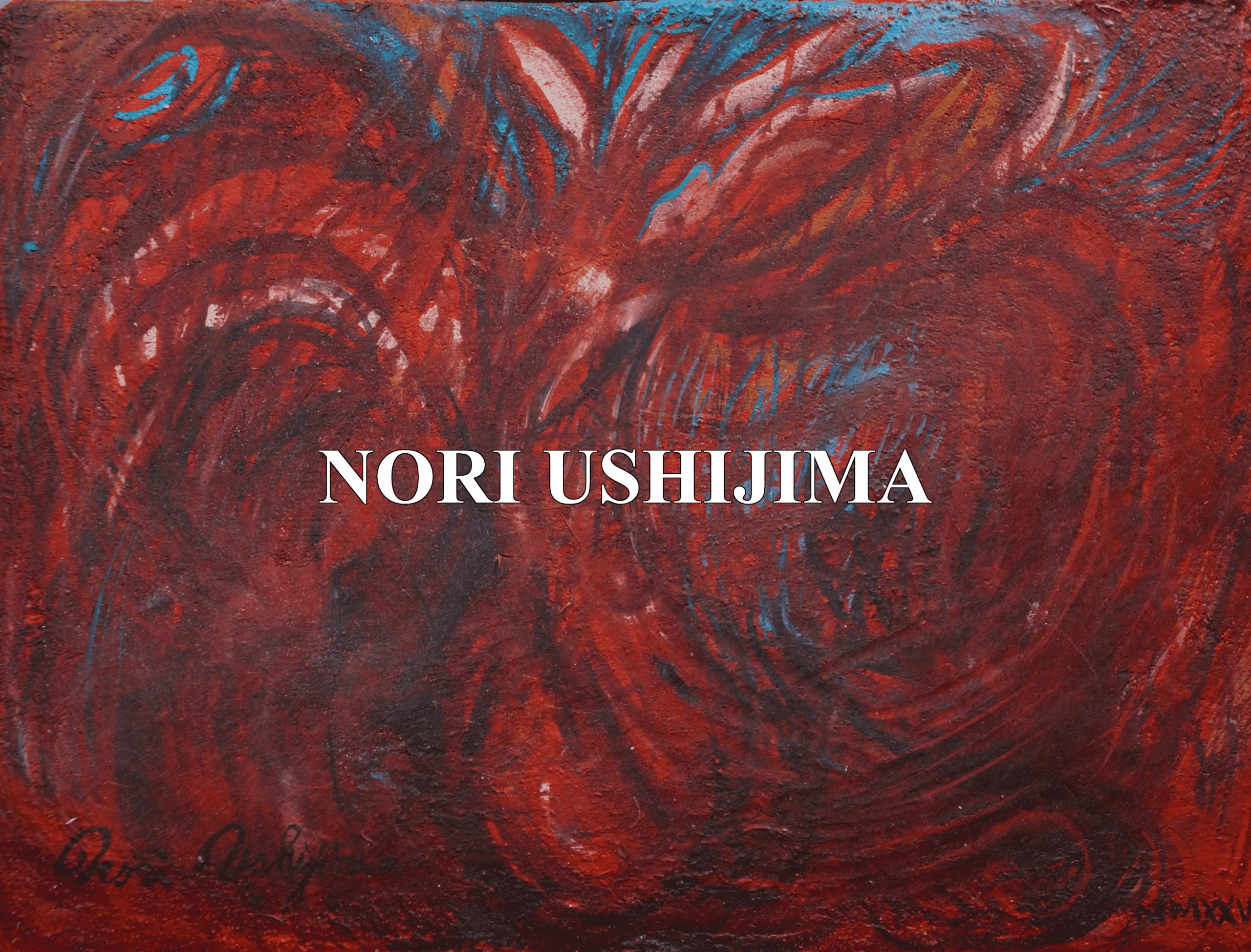
NOÚMENO
giza hautematetik harantzago
más allá de la percepción humana
beyond human perception
02/10/2026 – 31/12/2026
Martes – Viernes 11:00-14:00 / 16:00-19:00
Lunes y Sábado: Con cita previa
NORI USHIJIMA, Kumamoto Japón, 1956
NOÚMENO: más allá de la percepción humana
-Materia, percepción, memoria y trascendencia-
¿Cómo dar forma a aquello que percibimos sin poder expresarlo con palabras?
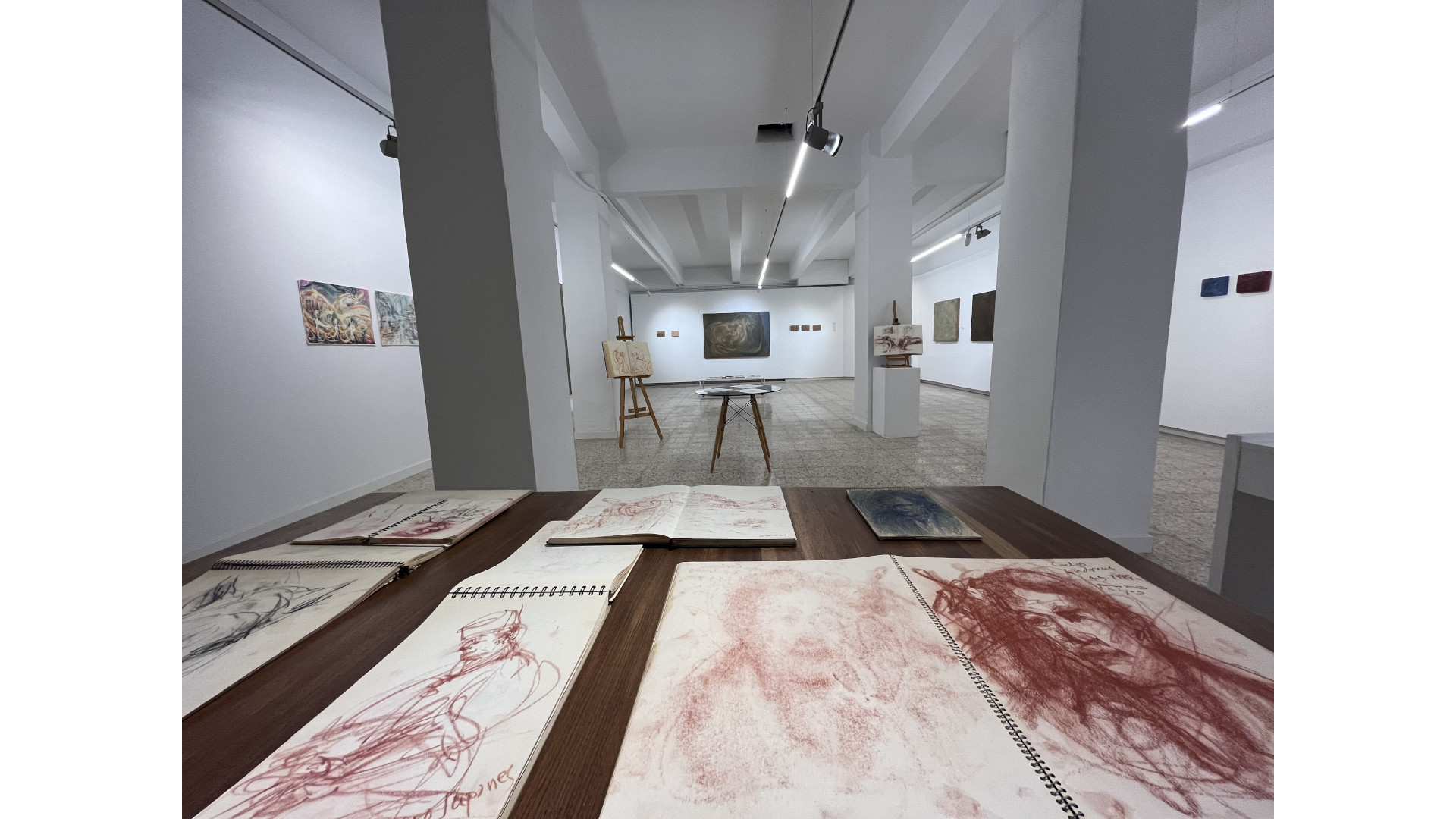
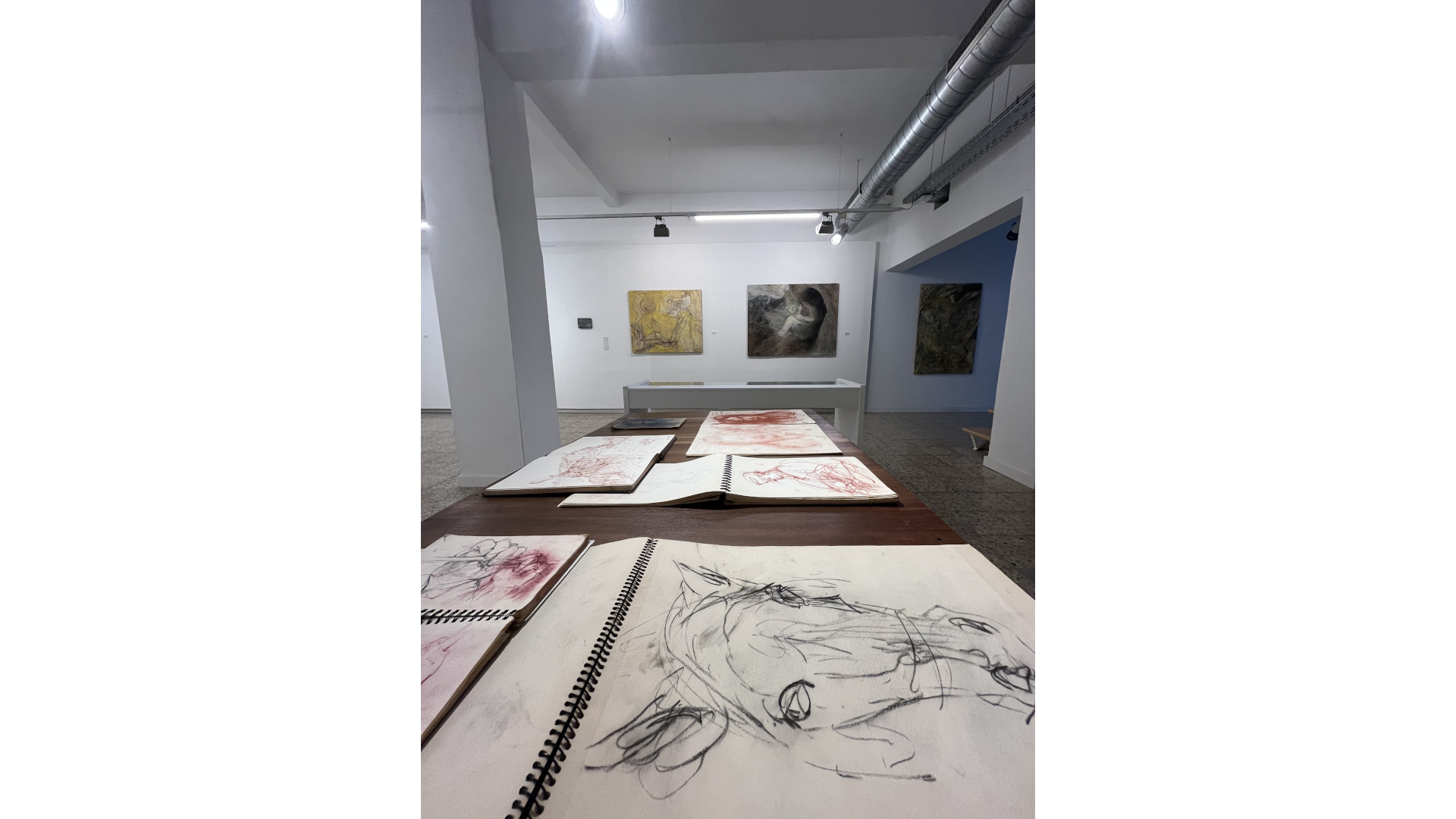
La obra de Nori Ushijima nace de este paradigma como autointerrogación y explora ese territorio sutil donde lo visible se encuentra con lo invisible, donde la memoria, la conciencia y la percepción encuentran en su pintura una forma de hacerse perceptibles.
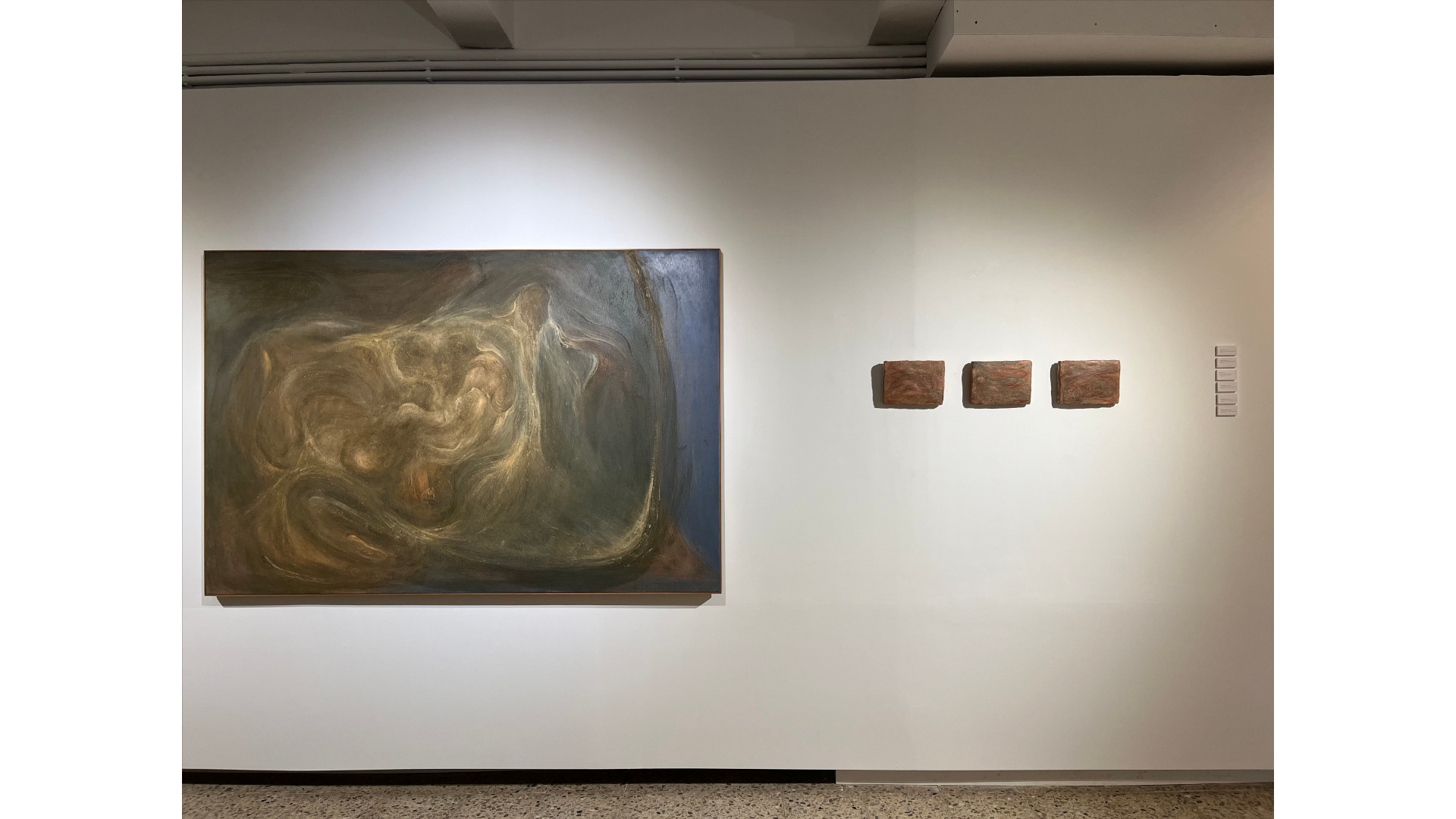
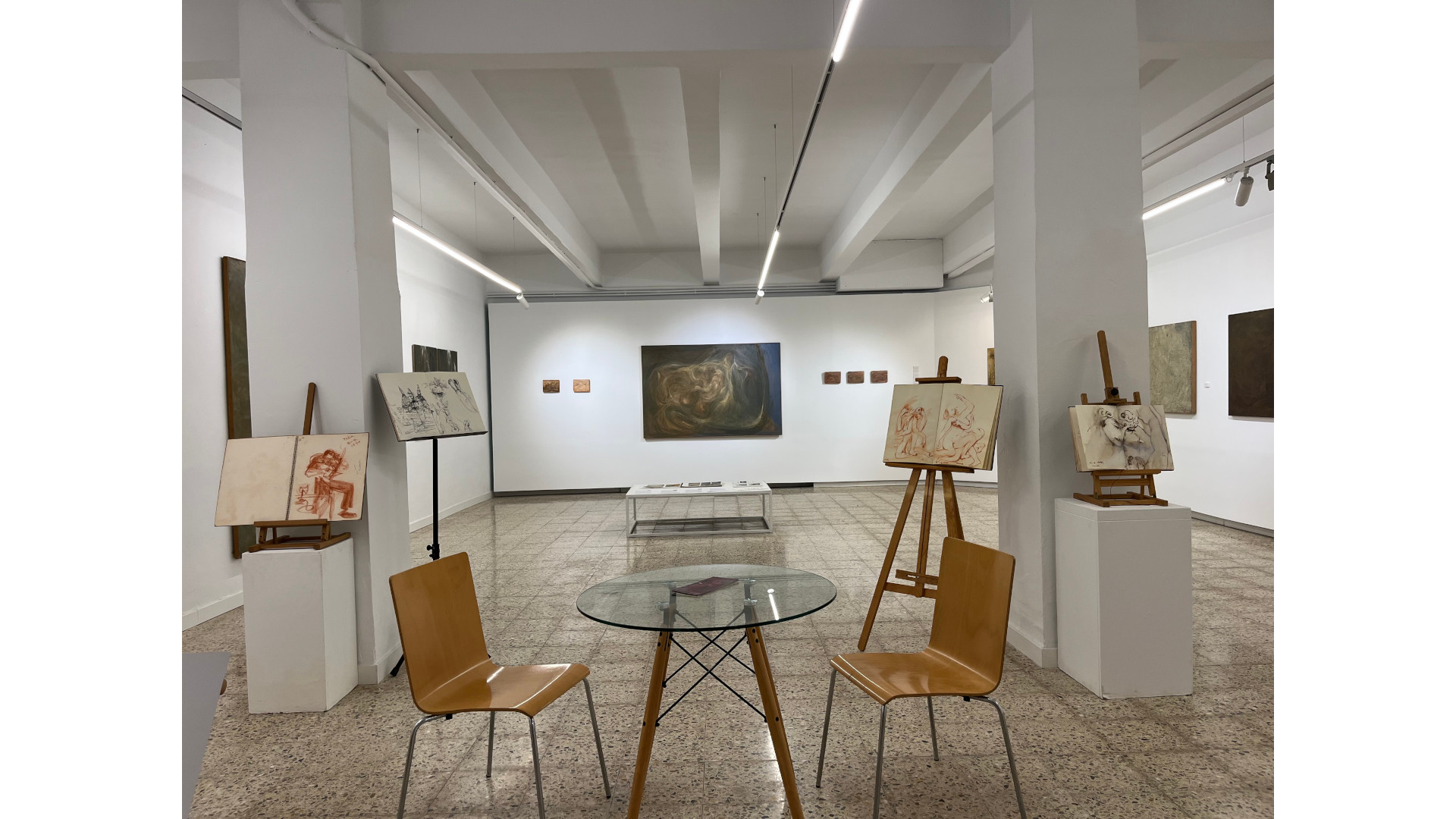
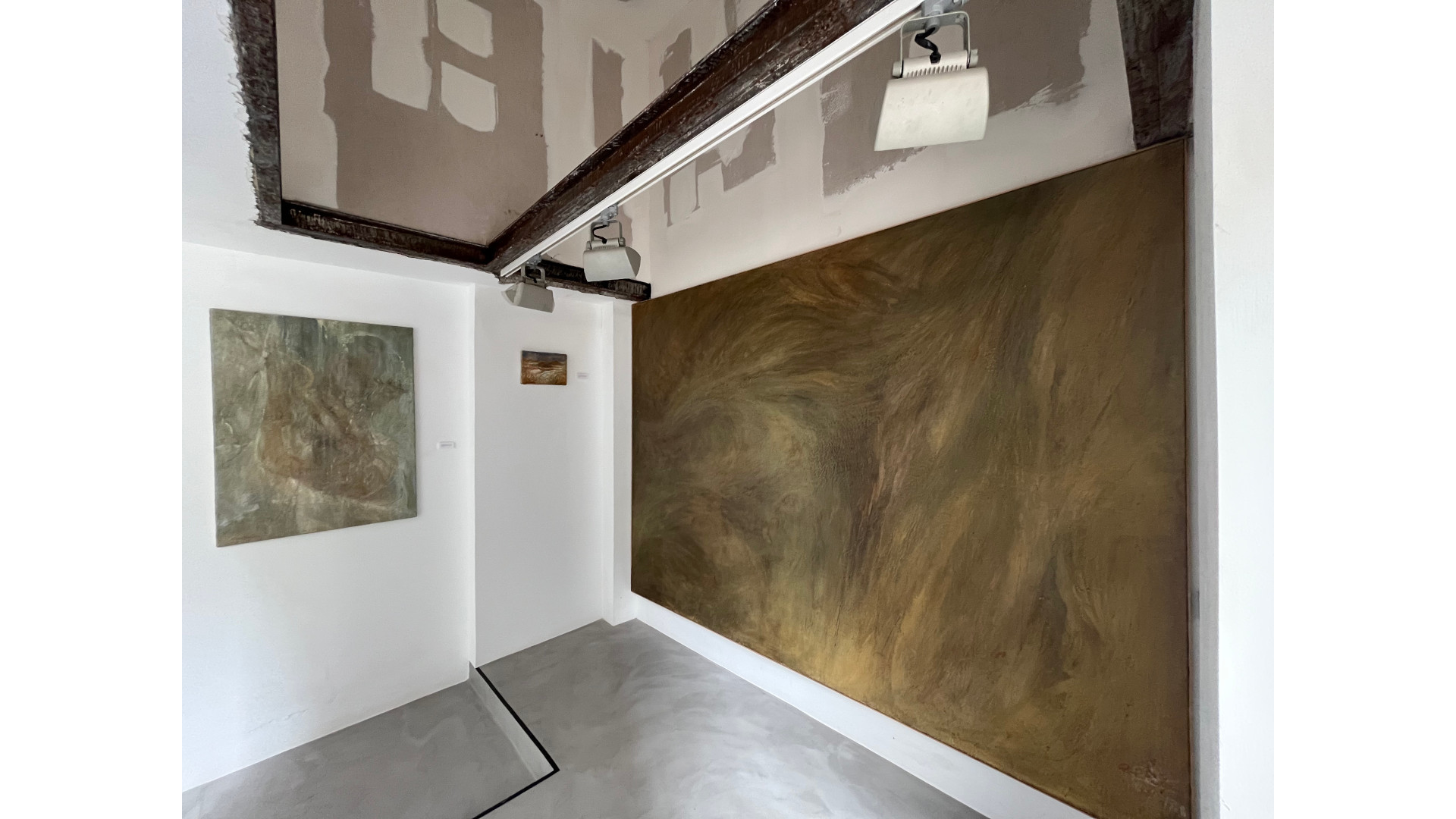
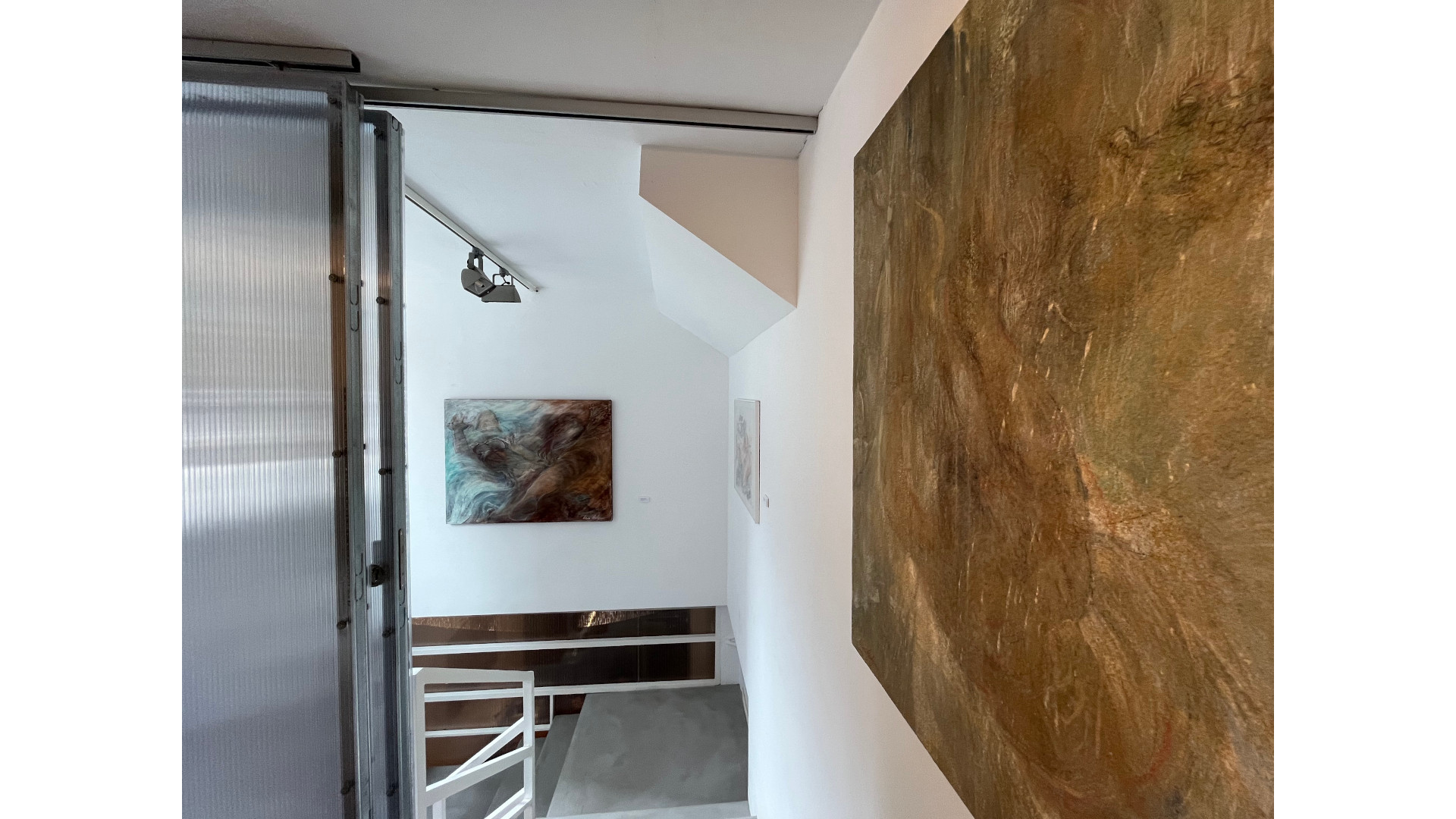
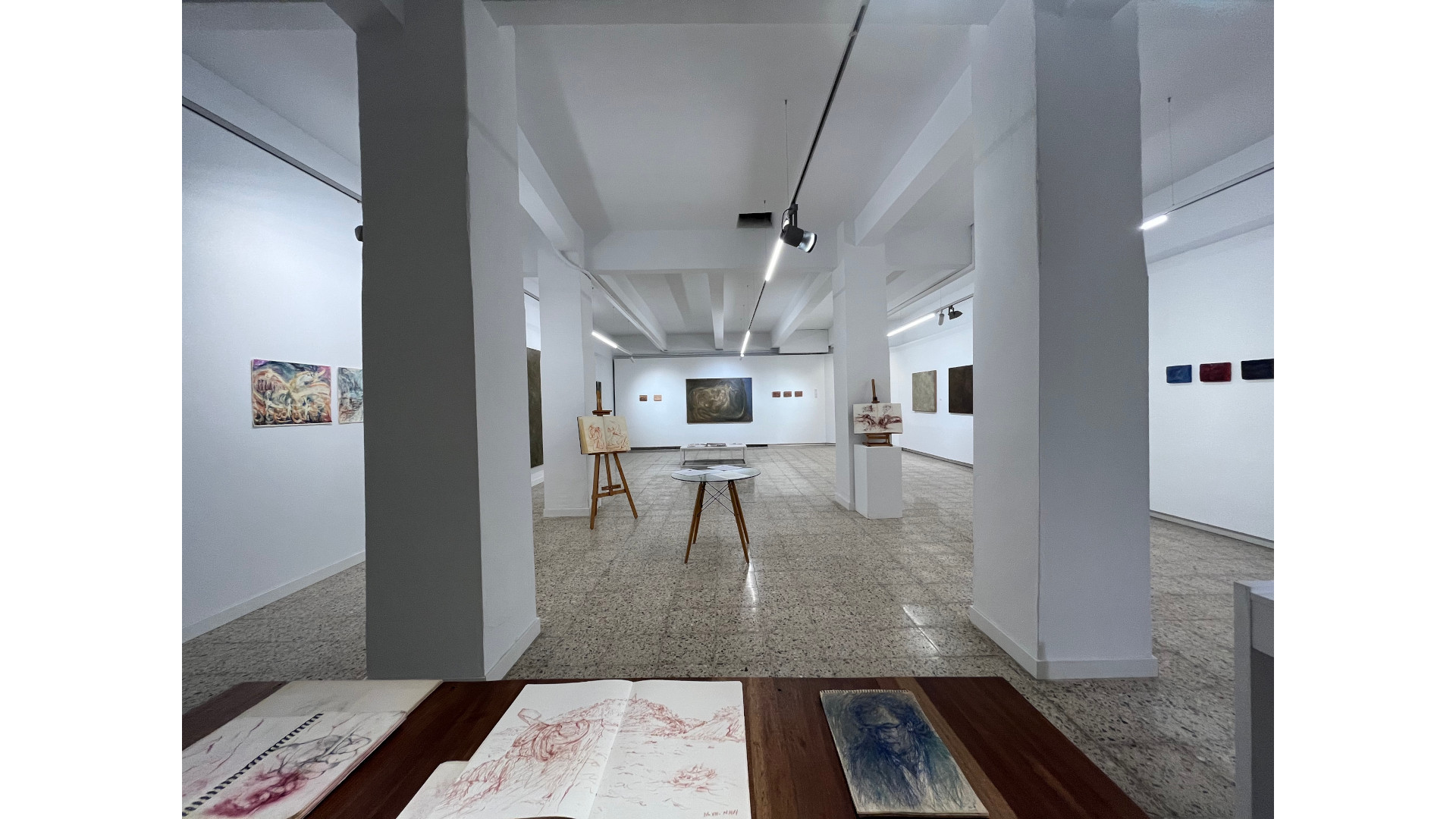
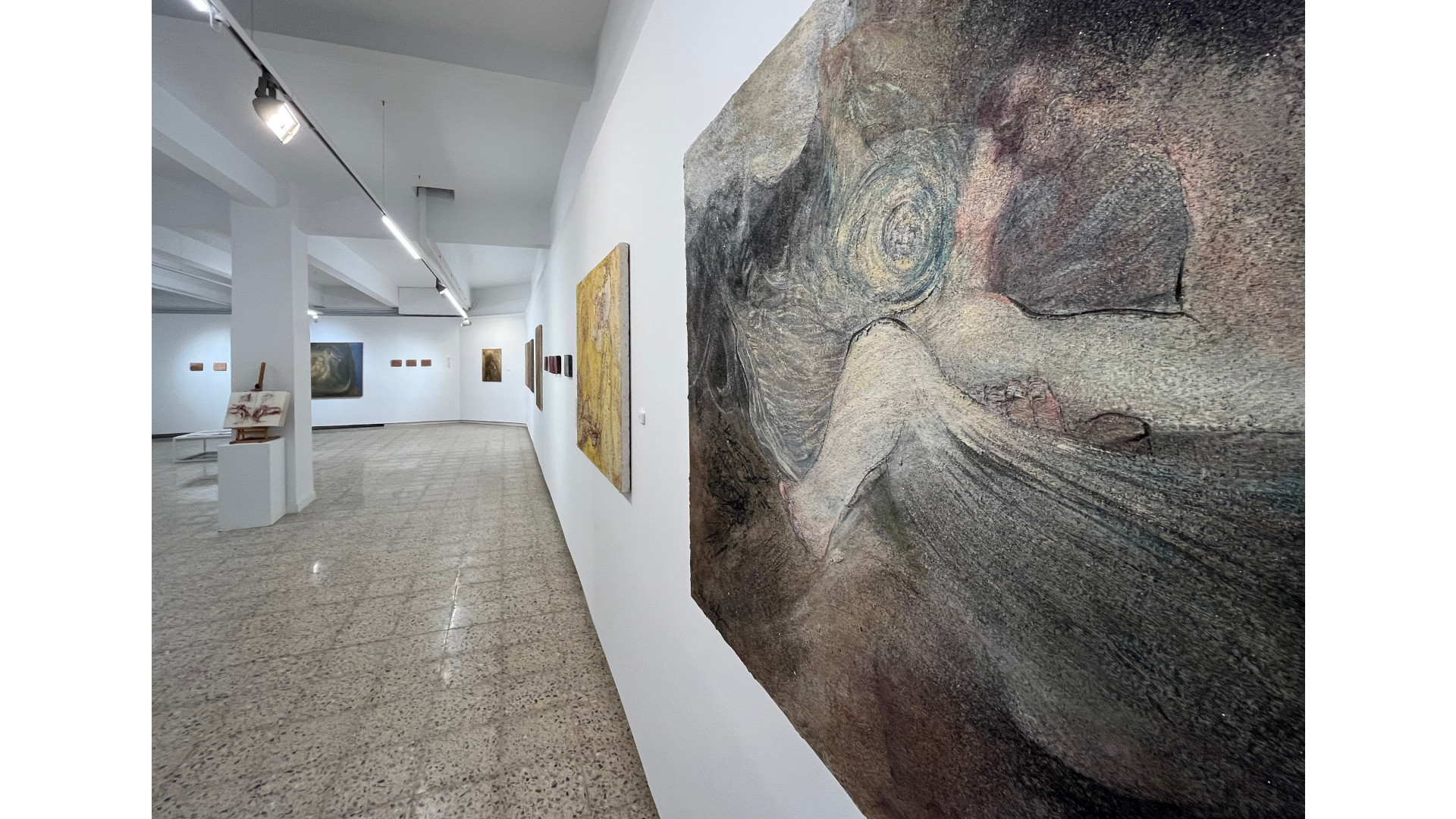
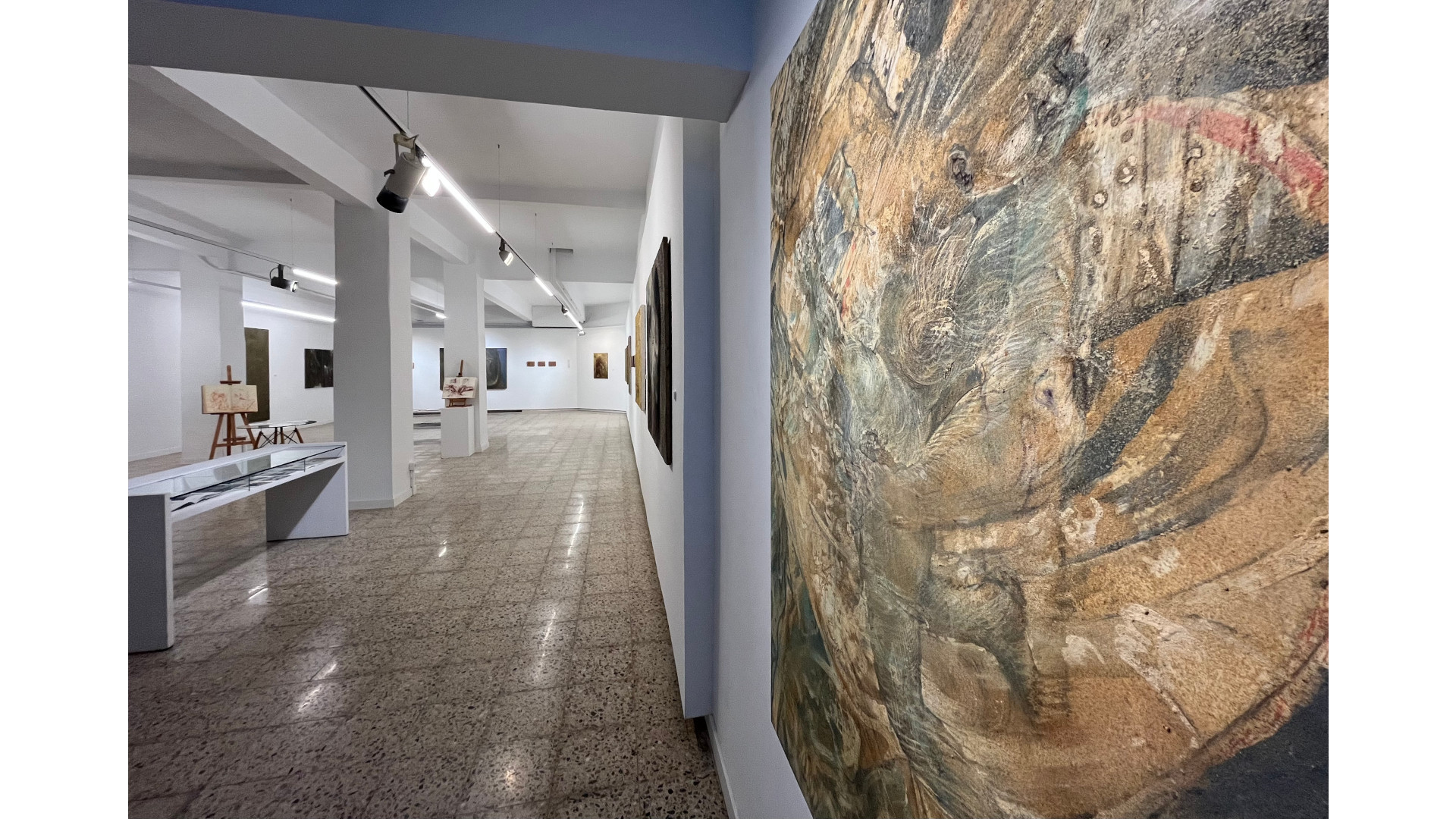
Representado por Arteko desde la fundación de la galería en 1996, el artista vasco-japonés muestra en esta ocasión un selecto recorrido de su larga trayectoria con 32 obras que abarcan cuatro décadas; desde 1989 con una tela de grandes dimensiones, El más allá (194×260 cm), hasta sus recientes pinturas con superficies de gran profundidad y un mini formato (16×22 cm) realizadas en 2026. En ellas, Ushijima continúa expresando la búsqueda del significado existencial de la vida y para ello utiliza una técnica propia que fusiona el fresco y la encáustica. Son pequeñas obras, Ataraxia, Efesto, Entelequia, Entropía, Quintaesencia…. donde las capas de pigmento, cal y cera parecen sugerir huellas de algo que se encuentra más allá de nuestra mirada. Una técnica que une dos antiguas tradiciones pictóricas: el fresco, realizado sobre cal húmeda y polvo de mármol, y la encáustica, elaborada a partir de cera de abejas y resina, presente ya en las pinturas de la antigua Pompeya.
Capaz de amalgamar técnicas antiguas aparentemente irreconciliables, el artista toma sus poderosas plásticas imágenes de la propia historia del arte con referencias que van desde los grandes maestros del renacimiento italiano hasta los más próximos y cercanos, logrando conformar una concepción en la que se aúna tradición y vanguardia, modernidad y posmodernidad. Ushijima crea un género intersticial entre figuración y abstracción, una obra que sigue orientada hasta la búsqueda de símbolos que reflejen el alma del verdadero ser humano.
Las pinturas de Nori no buscan representar lo que no podemos conocer, sino evocarlo; son una forma de acercarse a las profundidades de la conciencia: a la Inmanencia, como interioridad propia, y al Noúmeno, aquello que existe en sí mismo más allá de nuestra subjetividad y de los límites de nuestra percepción.
Fragmentos de memoria, reminiscencias y formas apenas perceptibles emergen en Arteko configurando un espacio sereno y misterioso que nos invita a detener la mirada y a experimentar aquello que quizá no puede ser comprendido, pero sí sentido. Su obra comienza en la materia y se abre hacia lo trascendental. Japón y Europa, Existencia nouménica, Homenaje a Tiziano II, Fūjin, Metamorfosis, Familia…. revelan cómo Ushijima utiliza la pintura para indagar en por qué vive y cuál es su lugar en el mundo, encontrando una eternidad existencial a través del arte.
Su trayectoria actual, que conecta la ciudad de Kumamoto con San Sebastián, es el testimonio de un artista que trasciende fronteras. Su técnica fusiona la tradición japonesa con la europea creando un puente entre la estética oriental y la profundidad espiritual occidental.
NOUMENOA: Giza hautematetik haratago
-Materia, pertzepzioa, memoria eta transzendentzia-
Nola eman diezaiokegu forma hauteman arren hitzez adierazi ezin dugun horri?
Galdera horretatik abiatzen da Nori Ushijimaren lana; ikusgai dagoenaren eta ikusezinaren arteko topagune den eremu lausoa arakatzen du, non memoria, kontzientzia eta pertzepzioa materia eta kolore bihurtzen diren.
1996an Arteko galeria sortu zenetik galeria izan du ordezkari artista euskaldun-japoniar honek. Oraingoan, bere ibilbide luzeko hautaketa bat aurkezten du, lau hamarkadatan zehar egindado 32 lan biltzen dituena. Erakusketak 1989an sortutako formatu handiko mihise batetik –El más allá (194×260 cm)- 2026ko formatu txikiko (16×22 cm) margolan berrietarainoko lanak hartzen du; azken horiek sakonera handiko gainazalak dituzte bereizgarri. Lan horietan, Ushijimak bizitzaren esanahi existentziala adierazteko bilaketan jarraitzen du, freskoa eta enkautika uztartzen dituen teknika berezia erabiliz. Eskala txikiko lan horiek -hala nola Ataraxia, Hephaestus, Entelechy, Entropy, Quintessence…. – pigmentu, kare eta argizari-geruzak dituzte. Geruza horiek gure begiradatik haratago dagoen zerbaiten aztarnak gordetzen dituztela dirudi. Bi pintura-tradizio zahar uztartzen dituen teknika da: freskoa, kare hezearen eta marmol-hautsaren gainean egina eta enkautika, erle-argizariarekin eta erretxinarekin egina (azken hori antzinako Ponpeiako margolanetan erabiltzen zen metodoa da).
Itxuraz bateraezinak diren antzinako teknikak uztartzeko gai da artista, eta artearen historiatik bertatik ateratzen du bere iruditeria bisual indartsua —Italiako Pizkundeko maisu handietatik hasi eta eragin hurbilagoetaraino erreferentzia eginez—; horrela, tradizioa eta abangoardia, modernitatea eta postmodernitatea uztartzen dituen ikuspegia sortzen du. Ushijimak figurazioaren eta abstrakzioaren artean kokatzen den genero bat sortu du, giza arima islatzen duten sinboloen bilaketan oinarritutako lana eginez.
Noriren margolanek ez dute ezezaguna dena irudikatu nahi, hura iradoki baizik; kontzientziaren sakontasunera hurbiltzeko bidea eskaintzen dute: barne-egoera den immanentziara, eta noumenoa —hau da, gure subjektibotasunetik eta pertzepzio-mugetatik haratago, berez existitzen den horretara—.
Oroimenaren zatiak, oroitzapenak eta ia hautemanezinak diren formak azaleratzen dira Artekon, espazio lasai eta, aldi berean, misteriotsua eratuz; espazio horrek gelditzera eta ulermen intelektualetik ihes egin dezakeen baina senti daitekeen zerbait esperimentatzera gonbidatzen gaitu. Haren lana materialtasunean hasten da eta alderdi transzendentalerantz abiatzen da. Japan and Europe, Noumenal Existence, Homage to Titian II, Fūjin, Metamorphosis eta Family lanek, besteak beste, erakusten dute nola erabiltzen duen Ushijimak pintura bere existentziaren arrazoiak eta munduan duen lekua aztertzeko, artearen bidez betikotasun existentzial baten bila aritzeaz batera.
Kumamoto hiria eta Donostia lotzen dituen bere egungo ibilbide artistikoa mugak gainditzen dituen artistaren lekukotza da. Haren teknikak Japoniako eta Europako tradizioak uztartzen ditu, Ekialdeko estetikaren eta Mendebaldeko sakontasun espiritualaren arteko zubia sortuz.
NOÚMENO: beyond human perception
-Matter, perception, memory and transcendence-
How can we give form to that which we perceive without being able to express it in words?
Nori Ushijima’s work emerges from this question and explores that subtle territory where the visible meets the invisible, where memory, consciousness and perception are transformed into matter and color.
Represented by Arteko since the gallery was founded in 1996, the Basque-Japanese artist presents on this occasion a select overview of his long career with 32 works spanning four decades; from 1989 with a large-scale canvas, The Beyond (194×260 cm), to his recent paintings with surfaces of great depth and a mini format (16×22 cm) made in 2026. In them, Ushijima continues to express his search for the existential meaning of life and, to this end, uses his own technique that fuses fresco and encaustic. They are small works, Ataraxia, Hephaestus, Entelechy, Entropy, Quintessence…. where layers of pigment, lime and wax seem to contain traces of something that lies beyond our gaze. A technique that brings together two ancient pictorial traditions: fresco, made on wet lime and marble dust, and encaustic, made from beeswax and resin, already present in the paintings of ancient Pompeii.
Capable of amalgamating seemingly irreconcilable ancient techniques, the artist draws his powerful visual images from the history of art itself, with references ranging from the great masters of the Italian Renaissance to the more recent and close at hand, achieving a conception in which tradition and avant-garde, modernity and postmodernity come together. Ushijima creates an interstitial genre between figuration and abstraction, a body of work that remains oriented toward the search for symbols that reflect the soul of the human being.
Nori’s paintings do not seek to represent what we cannot know, but rather to evoke it; they are a way of approaching the depths of consciousness: Immanence, as innerness itself, and the Noumenon, that which exists in itself beyond our subjectivity and the limits of our perception.
Fragments of memory, reminiscences and barely perceptible forms emerge at Arteko, shaping a serene and mysterious space that invites us to pause our gaze and experience that which perhaps cannot be understood, but can be felt. His work begins in matter and opens toward the transcendental. Japan and Europe, Noumenal Existence, Homage to Titian II, Fūjin, Metamorphosis, Family…. reveal how Ushijima uses painting to inquire into why he lives and what his place in the world is, seeking an existential eternity through art.
His current trajectory, which connects the city of Kumamoto with San Sebastián, is the testimony of an artist who transcends borders. His technique fuses Japanese tradition with European tradition, creating a bridge between Eastern aesthetics and Western spiritual depth.




Obras en Exposición


Artistas Oficiales
Prémiums
Colaboraciones
Otros